
A joyful companion
Papillons are often deeply devoted to their people and enjoy being involved in everyday family life.
The Papillon breed
Known for their butterfly-shaped ears and cheerful spirit, Papillons are a toy breed with a clever mind, an affectionate heart, and plenty of personality.
Talk with us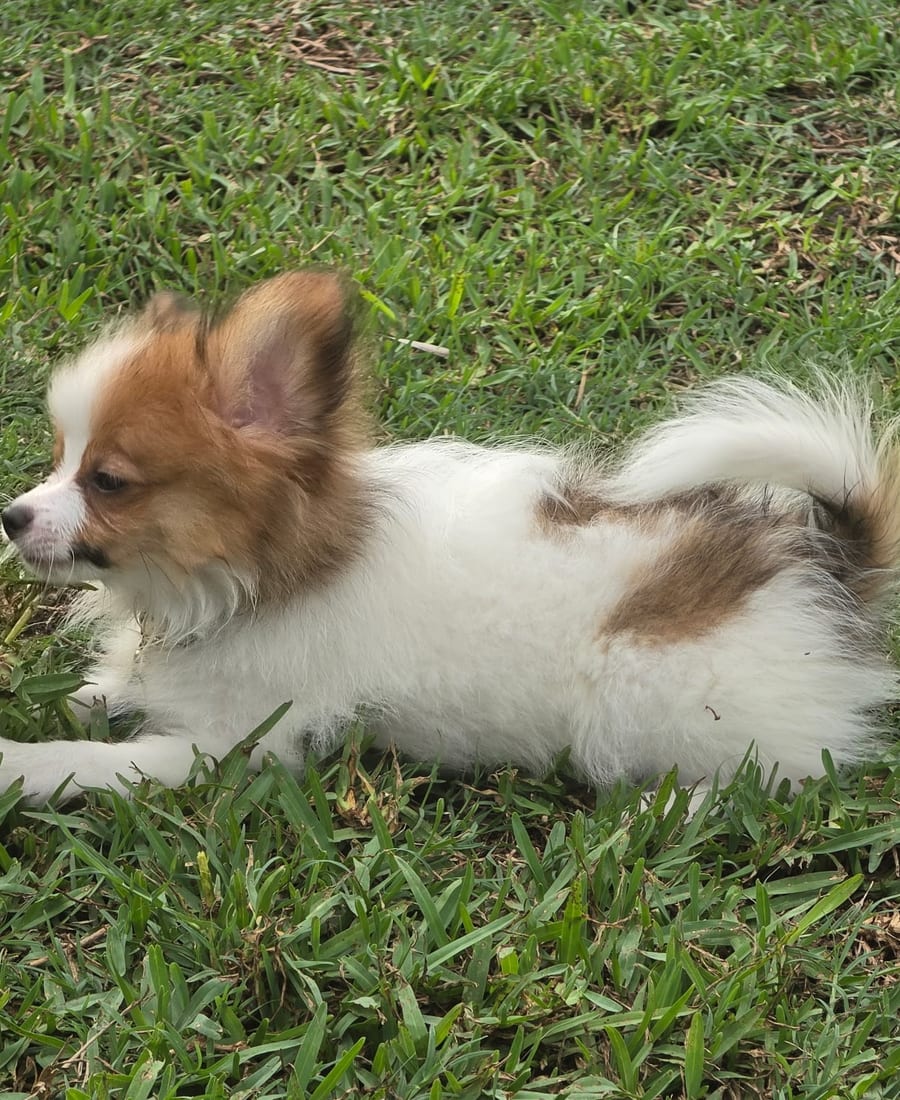
At a glance
Papillons are often deeply devoted to their people and enjoy being involved in everyday family life.
They are quick learners who benefit from kind, consistent training and fun mental enrichment.
Their small size can suit many homes, but they still need attentive handling and a safe, puppy-friendly environment.
Living with a Papillon
Papillons tend to thrive when they are included in the rhythm of home life. Play, gentle affection, short training moments, and time close to their people can all help them feel secure and engaged.
Every dog is an individual, and the right match depends on a family’s lifestyle, experience, children, other pets, and daily routine. Taking time to learn about a puppy’s personality is an important part of choosing thoughtfully.
Care to plan for
Their fine coat benefits from regular brushing to keep it comfortable and free of tangles.
Short walks, safe play, and engaging games help channel their curiosity and energy.
Thoughtful introductions to people, places, sounds, and routines support a confident start.
We strongly encourage having your new Papillon microchipped. It may mean the difference of a fast recovery should they happen to get lost or stolen. Most vets offer microchips as part of their services.
Always use a crate to transport your dog. It is safe and could prevent the loss of your dog's life should an accident occur.
There is no breed of dog, no matter how healthy, that is immune to most infectious diseases. It is absolutely essential that you continue with the immunization schedule.
Feed your dog a good quality dog food! Weaned puppies eat 3–4 times per day; adult dogs are fed twice per day. The portion is usually around 1/4 cup per serving — yes, puppies eat more than adult dogs. Watch your dog's waistline and adjust a few kibbles more or less to maintain a slightly narrow waist and a nice tuck up of the belly. Dogs with a more sedentary lifestyle will require much less food than busy dogs. Dogs that train with lots of treats will get less at mealtime. And don't be fooled into feeding too much — most dogs always act like they're starving!
We are happy to talk through the breed, our home-raised approach, and what a good fit can look like for your family.
Start a conversation